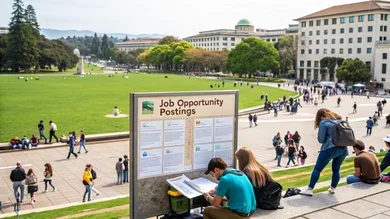
Are you a university student in South Africa looking to gain valuable work experience, earn extra income, and enhance your academic journey? Securing a student assistant or tutor position on campus can be an incredibly rewarding opportunity. For the upcoming 2026 academic year, South African universities will once again open their doors to students eager to contribute to the campus community while developing crucial professional skills.
This comprehensive guide will walk you through everything you need to know about finding and applying for these coveted roles. From understanding the types of positions available and the typical hourly rates to mastering the application process and acing your interview, we'll equip you with the knowledge to land your dream student job for 2026.
Why Consider a Student Assistant Job in 2026?
Working as a student assistant or tutor offers a multitude of benefits that extend far beyond a monthly stipend. For students across South Africa, these roles provide a unique blend of practical experience and academic support, perfectly suited to complement your studies:
- Financial Independence: Earn money to cover tuition fees, textbooks, living expenses, or simply for personal spending, reducing your reliance on student loans or family support.
- Valuable Work Experience: Develop professional skills like communication, time management, problem-solving, and leadership that are highly sought after by future employers. This directly bolsters your CV.
- Networking Opportunities: Connect with faculty, staff, and fellow students, building a professional network that could be invaluable for future career prospects or academic recommendations.
- Academic Support: Tutors often reinforce their own understanding of subjects, while assistants gain insight into university operations, potentially aiding their academic navigation.
- Flexibility: Most student positions are designed to accommodate academic schedules, offering flexible hours that don't conflict with lectures or study time.
- On-Campus Convenience: Eliminate commuting stress and costs by working right where you study, making it easier to balance work and academics.
Diverse Roles: What Student Positions are Available for 2026?
South African universities offer a broad spectrum of student assistant and tutor positions catering to various skills and academic disciplines. While specific roles may vary by institution (e.g., University of Cape Town, University of the Witwatersrand, Stellenbosch University), here’s a general overview of what you can expect to find for the 2026 intake:
Academic Support Roles:
- Tutors/Peer Facilitators: Leading study groups, providing one-on-one academic support, and assisting with course material for specific subjects. These are common in faculties like Science, Engineering, Commerce, and Humanities.
- Lab Assistants: Assisting lecturers or researchers in science and engineering labs, preparing equipment, supervising experiments, and helping with data collection.
- Research Assistants: Supporting faculty members on research projects, which might involve literature reviews, data entry, survey administration, or assisting with fieldwork.
- Marking Assistants: Helping professors with the preliminary marking of assignments, quizzes, or tutorial submissions (often under strict supervision).
Administrative & Operational Roles:
- Office Assistants: Performing general administrative duties for departments, faculty offices, or student service centres. Tasks include filing, answering phones, data entry, and assisting with events.
- Library Assistants: Helping students locate resources, shelving books, assisting with circulation, and maintaining library order.
- IT Support Assistants: Providing basic technical support to students and staff, helping with computer labs, network issues, or software queries.
- Student Ambassadors/Tour Guides: Representing the university at open days, recruitment events, and guiding prospective students and visitors around campus.
Campus Life & Community Roles:
- Residence Assistants (RAs): Living in student residences, fostering a positive community, enforcing rules, and assisting residents with concerns.
- Event Support Staff: Helping organise and run university events, conferences, workshops, or sports activities.
- Marketing & Communications Assistants: Assisting university departments with social media management, content creation, photography, or event promotion.
- Sports Centre Assistants: Working at campus gyms or sports facilities, assisting with equipment, membership, or facility management.
Typical Hourly Rates & Additional Benefits in SA
The compensation for student assistant roles at South African universities is generally competitive and varies depending on the university, the nature of the role, and the required skill level. While exact figures for 2026 will be released closer to the application period, historically, students can expect hourly rates ranging from R50 to R150 per hour. More specialized roles, such as advanced research assistant positions or tutoring for complex subjects, may command higher rates.
Beyond monetary compensation, student assistant jobs often come with other tangible and intangible benefits:
- Convenience: No travel costs or time wasted commuting, as your workplace is on campus.
- Skill Development: Exposure to professional environments and tasks helps develop soft skills (communication, teamwork) and hard skills (software proficiency, research methods).
- Mentorship: Direct interaction with faculty and staff can lead to mentorship opportunities and invaluable career advice.
- Reference Letters: A strong performance can result in excellent reference letters from professors or supervisors, which are crucial for future job applications or postgraduate studies.
- Flexible Hours: Supervisors are typically understanding of academic commitments and offer flexible scheduling options to accommodate exams and lecture timetables.
The Application Process for 2026: Your Step-by-Step Guide
Applying for a student assistant position requires a strategic approach. While the exact timeline and requirements may slightly differ between universities, here’s a general roadmap for the 2026 application cycle:
Step 1: Identify Opportunities (Late 2025 - Early 2026)
Start looking for opportunities around September to November 2025 for roles commencing in early 2026. Keep an eye on:
- University Career Portals: Most universities (e.g., UJ, UP, NWU) have dedicated career or student employment portals where jobs are advertised.
- Departmental Notices: Check faculty and departmental bulletin boards (physical and online) for specific tutor or lab assistant roles.
- Student Affairs/Dean of Students Office: These offices often manage or advertise positions related to student life.
- Word of Mouth: Talk to current student assistants, older students, and even your lecturers – they might know about upcoming vacancies.
Step 2: Prepare Your Documents
Typically, you’ll need the following:
- Updated Curriculum Vitae (CV): Highlight your academic achievements, relevant skills, previous work experience (even volunteer work), and any leadership roles.
- Cover Letter: A tailored letter expressing your interest in the specific role, explaining why you are a good fit, and demonstrating your understanding of the position’s requirements.
- Academic Transcript: Most positions, especially tutoring roles, require a good academic record in the relevant subjects.
- References: Be prepared to provide contact details for one or two academic or professional referees. It's always best to ask for their permission beforehand.
Step 3: Submit Your Application
Follow the instructions precisely. Online applications are common. Double-check deadlines and ensure all required documents are attached in the correct format.
Crafting a Winning Application: Stand Out from the Crowd
In a competitive environment, a well-crafted application is your ticket to an interview. Here’s how to make yours shine:
- Tailor Your CV and Cover Letter: Do not use a generic application. Customize both your CV and cover letter for each specific role, using keywords from the job description. Highlight academic excellence, especially in the subject areas you wish to tutor or assist in.
- Showcase Relevant Skills: Emphasize skills like strong communication, organizational abilities, reliability, proficiency in specific software (e.g., Microsoft Office Suite, statistical packages), and teamwork. If applying for a tutoring role, highlight your ability to explain complex concepts clearly.
- Quantify Achievements: Instead of saying “helped students,” try “improved student understanding by 15% through one-on-one sessions.”
- Highlight Availability: Clearly state your availability and commitment to the role, demonstrating that you can balance work and studies effectively.
- Proofread Meticulously: A single typo can undermine your credibility. Get a friend or career advisor to review your application.
Acing the Interview: Your Path to Securing the Job
If your application is successful, the next step is usually an interview. This is your chance to make a strong impression. Prepare for common questions and demonstrate your enthusiasm:
Common Interview Questions:
Conclusion
Securing a student assistant or tutor position at a South African university for 2026 is an excellent way to enrich your university experience. These roles offer a unique opportunity to gain professional experience, develop essential skills, network within your academic community, and achieve greater financial independence.
By understanding the types of roles available, preparing a standout application, and practicing for your interview, you can significantly increase your chances of landing a rewarding campus job. Don’t wait until the last minute – start your research in late 2025 and proactively pursue the opportunities that align with your academic and career goals.
Acing the Interview: Your Path to Securing the Job
If your application is successful, the next step is usually an interview. This is your chance to make a strong impression. Prepare for common questions and demonstrate your enthusiasm:
Common Interview Questions:
- “Tell me about yourself and your academic background.”
- “Why are you interested in this specific student assistant/tutor role?”
- “How do you balance your academic commitments with other responsibilities?”
- “Describe a time you faced a challenging academic problem and how you overcame it.”
- “What are your strengths and weaknesses?”
- “How would you handle a situation where a student is struggling to understand a concept?” (For tutor roles)
- “Are you proficient in any specific software or tools relevant to this position?”
- “What is your availability like?”
Tips for Success:
- Research the Department/Role: Show that you’ve done your homework. Understand the department’s mission and how your role contributes.
- Prepare Examples: Use the STAR method (Situation, Task, Action, Result) to answer behavioral questions effectively.
- Dress Appropriately: Even for a student job, present yourself professionally.
- Ask Thoughtful Questions: Prepare a few questions to ask the interviewer about the role, the team, or the department. This shows engagement.
- Send a Thank-You Note: A brief email after the interview reiterating your interest and thanking them for their time can leave a lasting positive impression.
Securing a student assistant or tutor position at a South African university for 2026 is an excellent way to enrich your university experience. These roles offer a unique opportunity to gain professional experience, develop essential skills, network within your academic community, and achieve greater financial independence.
By understanding the types of roles available, preparing a standout application, and practicing for your interview, you can significantly increase your chances of landing a rewarding campus job. Don’t wait until the last minute – start your research in late 2025 and proactively pursue the opportunities that align with your academic and career goals.