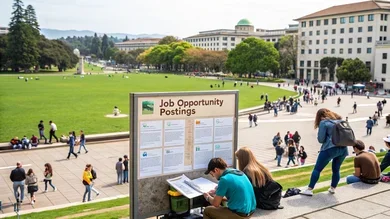
The academic journey in South Africa is both rewarding and challenging, and for many full-time university and TVET college students, the need to earn an income is a significant reality. Balancing demanding timetables with financial responsibilities can seem daunting, but it's entirely achievable with the right strategy. As we look towards 2026, the landscape of part-time work continues to evolve, offering flexible and diverse opportunities tailored to the student lifestyle.
This comprehensive guide is designed specifically for South African students seeking to navigate the world of part-time employment. We'll explore a range of options – from on-campus roles to remote gigs – discuss realistic earnings, and provide practical advice on time management to ensure your studies remain your top priority while you build your financial independence and gain invaluable work experience. Let's dive into how you can successfully manage your academic commitments and part-time work in 2026.
The Balancing Act: Why Consider Part-Time Work as a Student?
For many South African students, part-time work is more than just a way to earn extra pocket money; it's a crucial component of financial survival and future career development. The cost of living, tuition fees, textbooks, and daily expenses can quickly add up, making financial independence a primary motivator. Beyond the monetary benefits, however, a part-time job offers a wealth of advantages:
- Financial Independence: Earning your own money reduces reliance on family, grants, or loans, giving you a greater sense of control over your finances.
- Valuable Work Experience: Even seemingly simple roles can provide transferable skills like customer service, teamwork, problem-solving, and communication, all highly valued by future employers.
- Networking Opportunities: Working introduces you to new people – colleagues, managers, and clients – who can become valuable contacts for future career opportunities.
- Skill Development: Part-time jobs can hone time management, responsibility, and discipline – essential skills for both academic success and professional life.
- Understanding the World of Work: Gaining insight into a professional environment can help clarify career goals and expectations post-graduation.
In 2026, the job market for students remains dynamic, with a growing emphasis on flexibility to accommodate academic schedules. Understanding your motivations will help you choose the right path.
On-Campus Opportunities: Work Where You Learn
Working on campus offers unparalleled convenience for full-time students. These roles are typically designed with academic schedules in mind, often providing flexible hours and a deep understanding from supervisors about your primary commitment: your studies. Many South African universities and TVET colleges offer a variety of on-campus positions:
- Library Assistant: Tasks include shelving books, assisting students with research, and maintaining library resources. Hours are often flexible, including evenings and weekends.
- Tutoring Services: If you excel in a particular subject, tutoring fellow students can be incredibly rewarding. Many institutions run formal peer tutoring programmes.
- Research Assistant: For students in specific fields, assisting lecturers or departments with research projects can provide invaluable academic experience and often decent pay.
- Student Ambassador/Orientation Leader: Welcoming new students, leading campus tours, and representing your institution at events are great ways to earn while enhancing your leadership and communication skills.
- Administrative Support: Various departmental offices often need help with data entry, filing, answering phones, or managing social media.
- IT Support/Lab Assistant: If you have technical skills, assisting in computer labs or with campus IT issues can be a good fit.
- Campus Store/Cafeteria Staff: Working in campus retail or food service provides basic customer service experience and convenient shifts.
Check your institution's career services, departmental notice boards, and student portals regularly for 2026 postings. These roles are competitive, so apply early and highlight your academic strengths and reliability.
Off-Campus & Local Community Roles: Beyond the University Gates
While on-campus jobs are ideal for convenience, the off-campus job market in South Africa offers a broader range of experiences and potentially higher earning potential. Many local businesses are accustomed to hiring students, especially those located near university and TVET college campuses in cities like Johannesburg, Cape Town, Durban, and Pretoria.
- Retail Sales Assistant: Stores in shopping malls and high streets frequently hire part-time staff, offering shifts that can often be tailored around classes. This builds customer service and sales skills.
- Hospitality (Waiter, Barista, Host/Hostess): Restaurants, coffee shops, and hotels are excellent places to find flexible work, particularly during evenings and weekends. The vibrant South African hospitality sector is always in need of energetic staff.
- Call Centre Agent: Many companies operate call centres with various shifts, including evening and night shifts that can work well for students. It's a great way to develop communication and problem-solving skills.
- Private Tutoring/After-School Care: Offering private lessons in subjects you excel at, or assisting families with after-school care, can be highly flexible and well-compensated, particularly in affluent suburbs.
- Event Staff/Promotions: South Africa hosts numerous events, festivals, and conferences. Working as event staff or a brand promoter offers sporadic but often well-paying opportunities to engage with the public.
- Gym/Fitness Centre Attendant: If you're passionate about health and fitness, local gyms often need part-time receptionists, cleaners, or class assistants.
- Freelance Delivery Services: With the rise of food and grocery delivery apps (e.g., Mr D Food, Uber Eats), students with their own transport (or even bicycles in some areas) can earn flexibly.
When applying for off-campus roles, clearly communicate your availability and academic commitments upfront to potential employers.
The Rise of Remote & Online Jobs: Flexibility at Your Fingertips
The digital age has ushered in an era of unprecedented flexibility, making remote and online part-time jobs particularly appealing for students in 2026. These roles eliminate commuting time and often allow you to work from anywhere with a stable internet connection, fitting seamlessly around lecture schedules.
- Freelance Writing/Content Creation: If you have strong writing skills, platforms like Upwork, Fiverr, or local content agencies often seek freelancers for blog posts, articles, social media content, or copywriting.
- Social Media Management: Many small businesses in South Africa need help managing their online presence. This can involve scheduling posts, engaging with followers, and creating content.
- Virtual Assistant (VA): VAs perform administrative, technical, or creative assistance to clients remotely. Tasks can range from email management and scheduling to research and data entry.
- Online Tutoring: Beyond your campus, numerous online platforms connect tutors with students worldwide. This is excellent if you can teach a language, maths, science, or specific software.
- Graphic Design/Web Development: If you have skills in design software or coding, freelance gigs in creating logos, marketing materials, or basic websites are in high demand.
- Data Entry/Transcription: These roles require accuracy and attention to detail, often involving typing up audio recordings or inputting data into spreadsheets.
- Online Surveys/Micro-Tasks: While not high-earning, platforms offering paid surveys or small online tasks can provide a little extra cash in your downtime.
Building a strong online portfolio or profile is key to securing remote work. Highlight your skills, reliability, and ability to meet deadlines independently.
Realistic Earnings & Smart Financial Management for Students
Understanding what you can realistically earn and how to manage that income effectively is crucial for student workers. In South Africa, the national minimum wage applies, which is regularly updated (ensure you know the 2026 rate). Many entry-level part-time jobs will pay around this rate, while specialized skills like tutoring or freelance design can command higher hourly rates.
- Average Earnings: Expect anything from R25-R50 per hour for general roles (depending on location and industry), potentially more for skilled positions. Aim to work between 10-20 hours per week to balance with full-time studies, which could yield R1000-R4000+ per month.
- Budgeting is Key: Create a detailed budget. Track your income and expenses to understand where your money goes. Categorize spending on essentials (food, transport, toiletries) versus discretionary items (entertainment, going out).
- Prioritize Needs Over Wants: Student life often involves making tough financial choices. Distinguish between what you genuinely need and what you desire.
- Save for Emergencies: Even a small emergency fund can prevent financial stress during unexpected situations (e.g., a broken phone, unexpected medical expense).
- Avoid Unnecessary Debt: While student loans might be necessary for tuition, try to avoid high-interest consumer debt. Use your part-time income to cover daily expenses rather than relying on credit cards for non-essentials.
- Understand Tax Implications: Depending on your income level, you might be liable for income tax. Familiarize yourself with SARS (South African Revenue Service) requirements for part-time earnings, especially if you are employed by a company (PAYE) or work freelance (provisional tax).
Financial literacy gained now will serve you well beyond your student years. Make informed choices and seek advice from university financial aid offices if needed.
Mastering Time: Strategies for Study, Work, and Life Balance
The greatest challenge for a full-time student working part-time is effective time management. Without a solid strategy, burnout and academic performance issues can quickly arise. Success hinges on discipline, planning, and self-awareness.
- Create a Detailed Schedule: Use a planner, calendar app, or diary. Block out all academic commitments (lectures, labs, study time, assignments deadlines) first. Then, allocate your work shifts. Finally, schedule time for meals, exercise, social activities, and sleep. Be realistic!
- Prioritize Tasks: Not all tasks are created equal. Use techniques like the Eisenhower Matrix (Urgent/Important) to determine what needs immediate attention for both studies and work.
- Communicate with Employers: Be transparent about your academic schedule and any exam periods. A good employer will understand and be flexible. Give ample notice if your availability changes.
- Set Boundaries: Learn to say no. Don't overcommit to extra shifts or social events if it means sacrificing study time or essential rest.
- Utilize Downtime: Use short breaks between classes, commuting time, or waiting periods to review notes, read articles, or send quick emails.
- Self-Care is Non-Negotiable: Adequate sleep, healthy eating, and regular physical activity are vital for managing stress and maintaining focus. Neglecting these will impact both your academic and work performance.
- Learn to Delegate (If Possible): If you're part of group projects, ensure fair distribution of work. At home, share chores with housemates.
Finding your personal rhythm for balancing study, work, and social life will take practice. Be patient with yourself and adjust your strategy as needed.
Finding & Securing Your Ideal Student Job in 2026
With a clear understanding of your options and how to manage your time, the next step is finding and securing a suitable job. Here's a practical guide for South African students in 2026:
- University/TVET Career Services: Start here! Most institutions have dedicated offices that list part-time jobs, offer CV workshops, and conduct mock interviews.
- Online Job Portals: Websites like Pnet, LinkedIn, Indeed, and Gumtree are excellent resources. Use filters for
Embarking on a part-time job as a full-time student in South Africa for 2026 is a commendable step towards financial independence and personal growth. While it requires dedication and excellent time management, the benefits – from practical experience and networking to easing financial burdens – are immeasurable. Whether you choose an on-campus role, a local community position, or leverage the flexibility of remote work, remember that your academic success remains paramount.
By setting clear goals, crafting a robust schedule, and managing your finances wisely, you can effectively balance your studies with meaningful work. The skills you gain and the resilience you develop during this period will serve as a strong foundation for your future career, long after graduation. Take the plunge, explore the opportunities, and empower your student journey!