Receiving that coveted NSFAS status update can be a mix of excitement and confusion. Many students, particularly those eyeing future academic years, are encountering a status like 'Provisionally Funded 2026' on their NSFAS dashboard. If you're seeing this, you're not alone, and it's crucial to understand exactly what it means and, more importantly, what you need to do next to convert that provisional status into confirmed, full funding.
This comprehensive guide will demystify the 'Provisionally Funded 2026' status, outline the conditions you must meet, highlight critical timelines, and help you navigate common pitfalls to ensure your tertiary education dreams are fully supported by NSFAS.
Understanding 'Provisionally Funded 2026': What Does it Mean?
When your NSFAS status shows 'Provisionally Funded 2026', it's a positive indicator that your initial application has been successful, and NSFAS intends to provide you with financial aid. However, the 'Provisional' part is key – it means that while you've met the initial eligibility criteria, the funding is not yet confirmed. The '2026' typically refers to the academic year for which this provisional funding is being considered. For instance, if you're a current matriculant applying for the year you start university, or if NSFAS is approving a multi-year funding cycle for you, this year stamp gives context to the duration or target academic year of your potential funding. It means NSFAS has assessed your financial need and believes you qualify, but they still require certain conditions to be met before disbursing funds for that specified academic year and beyond.
Key Reasons for 'Provisionally Funded' Status
Several factors contribute to an application remaining 'provisionally funded'. Understanding these can help you identify what specific conditions you need to address:
Pending Registration Confirmation: The most common reason. NSFAS requires confirmation of your registration at a public university or TVET college. Until your chosen institution officially registers you and communicates this to NSFAS, your funding remains provisional.
Missing or Unverified Documents: While your initial application may have been approved, NSFAS might still require further documentation or needs to verify existing ones. This could include proof of income, identity documents, or academic records.
Academic Eligibility Checks: For returning students, NSFAS will verify your academic performance from the previous year. If you don't meet the academic progression requirements, your funding might remain provisional or be revoked.
Declaration Form Issues: If your declaration form or consent form (especially for parents/guardians) contains discrepancies or hasn't been properly completed and submitted, it can hold up your application.
Institutional Enrolment Verification: NSFAS needs to ensure you are enrolled in a funded programme and that your registration fees and other costs align with their approved allowances. This often happens after you've formally registered.
It's crucial to remember that the '2026' year indicates the potential start or duration of this funding, but the conditions for conversion apply immediately.
Essential Steps to Convert to Full Funding
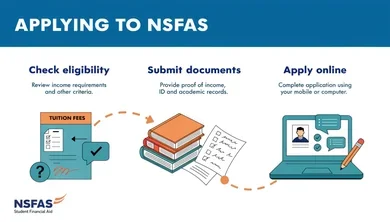
To move from 'Provisionally Funded 2026' to a fully funded status, proactive steps are required from your side. Don't wait for NSFAS to chase you; take the initiative:
1. Register at Your Chosen Institution: This is paramount. Ensure you complete your full registration process at a public university or TVET college in South Africa. Only once your institution confirms your enrolment to NSFAS will the process advance.
2. Monitor Your NSFAS Dashboard Regularly: Log in frequently to your myNSFAS account. Check for any new messages, required documents, or status updates. The portal is your primary communication channel.
3. Upload All Required Documents Promptly: If your dashboard indicates any outstanding documents, gather them immediately and upload them in the correct format. This could include updated proofs of income, a new declaration form, or verification of your matric results.
4. Sign the NSFAS Bursary Agreement (NBSF): Once all verifications are complete and your registration is confirmed, NSFAS will prompt you to sign a Bursary Agreement. This is a legally binding document. Read it carefully, understand its terms, and sign it electronically as soon as it becomes available. Failure to sign will prevent disbursement of funds.
5. Verify Banking Details: Ensure your banking details on the myNSFAS portal are correct and active. NSFAS will use these details for your allowance disbursements.
Key Deadlines and Timelines to Keep in Mind
While specific dates can vary, NSFAS generally operates on a tight schedule aligned with the academic year. The '2026' in your status might suggest a longer-term view, but the immediate actions often have shorter deadlines.
Registration Period: Most institutions open registration between January and March. Ensure you complete this within your institution's specific deadlines.
Document Submission: If additional documents are requested, submit them within the stipulated timeframe, usually within a few weeks of the request.
Bursary Agreement Signing: The window for signing the NSFAS Bursary Agreement is typically limited, often opening shortly after registration confirmation and closing within a few weeks. Miss this, and your funding could be jeopardised.
Disbursement Dates: Allowance disbursements usually begin after the bursary agreement is signed and institutional registration is confirmed, often aligning with the start of academic terms or specific institutional payment schedules.
Always consult the official NSFAS website or your institution's financial aid office for the most up-to-date and precise deadlines for your specific academic year.
Common Student Mistakes That Can Jeopardise Funding
Navigating the NSFAS process can be complex, and students often make avoidable errors that delay or even revoke their funding. Be vigilant to prevent these common mistakes:
Ignoring Dashboard Updates: Not checking your myNSFAS portal regularly means you could miss crucial requests for documents or actions.
Late Registration: Delaying your institutional registration means your enrolment won't be confirmed to NSFAS in time, stalling your funding.
Incorrect or Incomplete Documents: Uploading blurry images, outdated documents, or incomplete forms will lead to rejection and further delays.
Not Signing the Bursary Agreement: This is a critical step. Many students overlook or forget to sign the NBSF, which is a prerequisite for fund disbursement.
Providing Incorrect Banking Details: Wrong bank account numbers or using a third party's account can lead to payments being rejected or delayed.
Changing Courses/Institutions Without Notifying NSFAS: Any changes to your academic programme or institution must be communicated to NSFAS to ensure continued eligibility.
Failure to Meet Academic Progression: For returning students, not passing enough modules or maintaining satisfactory academic performance can lead to funding being withdrawn.
What Happens If You Don't Meet the Conditions?
Failing to meet the conditions set by NSFAS after receiving a 'Provisionally Funded 2026' status can have serious consequences:
Funding Withdrawal: The most significant consequence. If you don't submit required documents, sign the agreement, or confirm registration within deadlines, your provisional funding offer will be withdrawn, and you will become responsible for your own academic fees.
Delayed Disbursements: Even if your funding isn't withdrawn, delays in meeting conditions will inevitably lead to delays in receiving your allowances for tuition, accommodation, books, and living expenses.
Accumulated Debt: Without NSFAS funding, you could accrue significant institutional debt, impacting your ability to register for future academic years or even graduate.
Loss of Opportunity: Ultimately, missing out on NSFAS funding can mean the difference between pursuing your higher education dreams and having to put them on hold. It is vital to take every step seriously.
Seeking Help and Support
If you find yourself confused or stuck, remember that help is available. Don't hesitate to reach out:
NSFAS Contact Centre: For general queries about your application status, documents, or the bursary agreement, contact the NSFAS Call Centre.
myNSFAS Portal Queries: Use the 'Submit a Query' function on your myNSFAS account for specific application-related issues.
Your Institution's Financial Aid Office: This is often your best first point of contact. They can assist with registration confirmation, linking your institutional status with NSFAS, and providing guidance on required documents relevant to your specific university or college. They understand the local processes and can often intercede on your behalf.
Student Representative Councils (SRCs): Many institutions have SRCs or student support services that can offer advice and advocacy regarding NSFAS issues.
Seeing 'Provisionally Funded 2026' on your NSFAS dashboard is a major milestone, signifying that your hard work and financial need have been recognised. However, it's not the final step. By understanding what this status implies, diligently following the required actions, and avoiding common pitfalls, you can seamlessly transition from provisional to full funding. Your educational journey is within reach – take these essential steps to secure your future.